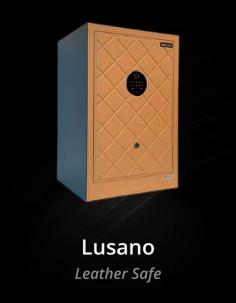
Security is often treated as a practical problem involving locks, alarms, cameras, insurance, and careful habits. Yet protection is also a psychological issue. The way people perceive risk strongly influences what they protect, where they store valuables, and how seriously they prepare for unexpected events. Many people understand that important possessions deserve protection but still rely on convenient hiding places or assumptions that unwanted events will never happen. Owning a safe can change that mindset. It creates a visible commitment to security and encourages people to think differently about risk, preparation, and responsibility.

Risk perception rarely follows logic alone. People tend to judge threats according to personal experience, familiarity, and emotional reactions. If someone has never experienced theft, fire, or unauthorized access, those events may feel distant and unlikely. This creates a psychological gap between knowing that a risk exists and believing that it could actually affect the household. As a result, valuable documents, jewelry, cash, digital storage devices, and sentimental possessions may receive less protection than their importance deserves.

Another reason people underestimate security needs is optimism bias. This tendency leads individuals to believe that negative events are less likely to happen to them than to others. A homeowner may recognize that burglaries occur but assume that their own property is too ordinary, too secure, or too uninteresting to attract attention. Such assumptions can create complacency. Security planning becomes something considered after an incident rather than something established beforehand.

A safe can interrupt this pattern by making protection tangible. Instead of security remaining an abstract idea, a physical safe represents a deliberate decision to protect selected belongings. Its presence can prompt household members to identify what matters most and consider what could happen if those possessions were lost, stolen, damaged, or accessed without permission. This simple act of categorizing valuables can improve awareness and encourage more thoughtful security habits.

The psychological effect also comes from creating a clear boundary. A safe separates important possessions from everyday items and introduces another layer between valuables and potential threats. That separation can influence behavior. When people have a designated secure place, they are more likely to consistently return important items to it instead of leaving them exposed. Security therefore becomes a routine rather than an occasional concern.

Convenience has a powerful influence on human behavior. People often choose the easiest option, even when they know another option would provide better protection. A hidden drawer, ordinary cupboard, or personal bag may appear sufficient because these choices require little effort. However, convenience can encourage inconsistent protection. A properly installed safe provides a dedicated location that reduces the need to make repeated decisions about where valuable possessions should be kept.

Physical protection also changes the perception of value. People do not always evaluate valuables according to financial worth. Some documents may be inexpensive to replace but extremely difficult to reconstruct. Personal records, property documents, identification papers, photographs, heirlooms, and sentimental objects can carry emotional or practical importance that is not reflected by their market price. A safe encourages people to think beyond monetary value and consider the consequences of losing something permanently.

The concept of loss aversion is important here. People generally experience the pain of losing something more strongly than the satisfaction of gaining something of similar value. Yet before a loss occurs, this emotional impact can be difficult to imagine. Security measures help translate a future possibility into a present action. By protecting possessions today, individuals reduce the chance of experiencing a much greater emotional and practical cost later.

Download the Medium app
Owning a safe can also influence conversations within a household. Security becomes a shared responsibility rather than an individual concern. Family members can establish what should be protected, who should have authorized access, and how important documents should be organized. These conversations may reveal vulnerabilities that were previously overlooked. They can also create clearer expectations about responsible handling of valuables.

There is an important distinction between feeling secure and being secure. A strong sense of confidence does not automatically mean that possessions are adequately protected. People can become overconfident because they have never experienced a problem. Conversely, a person who thinks carefully about security may feel more prepared without becoming unnecessarily fearful. A safe can support this balanced approach by providing a practical protective measure without requiring constant attention.

Security psychology is also influenced by visibility. When protective equipment is part of the environment, it can serve as a reminder of established security practices. The goal is not to create anxiety but to maintain awareness. A safe can reinforce the idea that protection is an ordinary part of responsible property management. This mindset can extend to other habits, including careful key management, secure digital practices, document organization, and awareness of who can access private spaces.

The placement of a safe can further influence behavior. A location that is practical for authorized users can encourage consistent use, while a poorly chosen location may cause people to avoid it. Security decisions should therefore consider accessibility, structural support, environmental conditions, privacy, and installation quality. The objective is to make secure behavior realistic and sustainable rather than inconvenient.

Another psychological benefit is reduced uncertainty. Unexpected events create stress partly because people do not know how they will respond. Preparation can reduce that uncertainty. Knowing that essential documents and selected valuables are stored in a secure location provides a sense of readiness. This does not eliminate every risk, but it can reduce the number of decisions that must be made during a stressful situation.

However, owning a safe should not create a false sense of complete protection. A safe is one component of a broader security strategy. It should work alongside appropriate locks, responsible access practices, insurance considerations, alarms, fire protection measures, and secure handling of personal information. Thinking of a safe as the entire security system can simply replace one form of underestimation with another.

The most valuable psychological change is therefore not fear but intentionality. Owning a safe encourages people to move from passive assumptions toward active decisions. Instead of asking whether something bad is likely to happen, they begin asking what would happen if it did and what reasonable steps could reduce the consequences. This shift is fundamental to effective risk management.

Ultimately, security is shaped by behavior as much as equipment. People protect what they consciously recognize as important, establish routines that are easy to maintain, and prepare more effectively when risks are made understandable. A safe provides a physical structure for these behaviors while reinforcing a psychological commitment to protection.

The decision to own a safe is therefore more than a purchase of hardware. It represents a change in attitude: from assuming valuables will remain secure to deliberately creating conditions that help keep them protected. By recognizing risk, identifying what matters, and establishing practical habits, individuals can become more prepared without becoming fearful. The strongest security mindset is neither careless nor anxious. It is informed, deliberate, and consistent, turning protection from an afterthought into an everyday responsibility. That perspective helps people make calmer decisions, because preparedness provides structure when circumstances become uncertain, disruptive, or unexpectedly demanding and difficult to control.

Pop over here : https://myafbsafe.com.sg

Security is often treated as a practical problem involving locks, alarms, cameras, insurance, and careful habits. Yet protection is also a psychological issue. The way people perceive risk strongly influences what they protect, where they store valuables, and how seriously they prepare for unexpected events. Many people understand that important possessions deserve protection but still rely on convenient hiding places or assumptions that unwanted events will never happen. Owning a safe can change that mindset. It creates a visible commitment to security and encourages people to think differently about risk, preparation, and responsibility.

Risk perception rarely follows logic alone. People tend to judge threats according to personal experience, familiarity, and emotional reactions. If someone has never experienced theft, fire, or unauthorized access, those events may feel distant and unlikely. This creates a psychological gap between knowing that a risk exists and believing that it could actually affect the household. As a result, valuable documents, jewelry, cash, digital storage devices, and sentimental possessions may receive less protection than their importance deserves.

Another reason people underestimate security needs is optimism bias. This tendency leads individuals to believe that negative events are less likely to happen to them than to others. A homeowner may recognize that burglaries occur but assume that their own property is too ordinary, too secure, or too uninteresting to attract attention. Such assumptions can create complacency. Security planning becomes something considered after an incident rather than something established beforehand.

A safe can interrupt this pattern by making protection tangible. Instead of security remaining an abstract idea, a physical safe represents a deliberate decision to protect selected belongings. Its presence can prompt household members to identify what matters most and consider what could happen if those possessions were lost, stolen, damaged, or accessed without permission. This simple act of categorizing valuables can improve awareness and encourage more thoughtful security habits.

The psychological effect also comes from creating a clear boundary. A safe separates important possessions from everyday items and introduces another layer between valuables and potential threats. That separation can influence behavior. When people have a designated secure place, they are more likely to consistently return important items to it instead of leaving them exposed. Security therefore becomes a routine rather than an occasional concern.

Convenience has a powerful influence on human behavior. People often choose the easiest option, even when they know another option would provide better protection. A hidden drawer, ordinary cupboard, or personal bag may appear sufficient because these choices require little effort. However, convenience can encourage inconsistent protection. A properly installed safe provides a dedicated location that reduces the need to make repeated decisions about where valuable possessions should be kept.

Physical protection also changes the perception of value. People do not always evaluate valuables according to financial worth. Some documents may be inexpensive to replace but extremely difficult to reconstruct. Personal records, property documents, identification papers, photographs, heirlooms, and sentimental objects can carry emotional or practical importance that is not reflected by their market price. A safe encourages people to think beyond monetary value and consider the consequences of losing something permanently.

The concept of loss aversion is important here. People generally experience the pain of losing something more strongly than the satisfaction of gaining something of similar value. Yet before a loss occurs, this emotional impact can be difficult to imagine. Security measures help translate a future possibility into a present action. By protecting possessions today, individuals reduce the chance of experiencing a much greater emotional and practical cost later.

Download the Medium app
Owning a safe can also influence conversations within a household. Security becomes a shared responsibility rather than an individual concern. Family members can establish what should be protected, who should have authorized access, and how important documents should be organized. These conversations may reveal vulnerabilities that were previously overlooked. They can also create clearer expectations about responsible handling of valuables.

There is an important distinction between feeling secure and being secure. A strong sense of confidence does not automatically mean that possessions are adequately protected. People can become overconfident because they have never experienced a problem. Conversely, a person who thinks carefully about security may feel more prepared without becoming unnecessarily fearful. A safe can support this balanced approach by providing a practical protective measure without requiring constant attention.

Security psychology is also influenced by visibility. When protective equipment is part of the environment, it can serve as a reminder of established security practices. The goal is not to create anxiety but to maintain awareness. A safe can reinforce the idea that protection is an ordinary part of responsible property management. This mindset can extend to other habits, including careful key management, secure digital practices, document organization, and awareness of who can access private spaces.

The placement of a safe can further influence behavior. A location that is practical for authorized users can encourage consistent use, while a poorly chosen location may cause people to avoid it. Security decisions should therefore consider accessibility, structural support, environmental conditions, privacy, and installation quality. The objective is to make secure behavior realistic and sustainable rather than inconvenient.

Another psychological benefit is reduced uncertainty. Unexpected events create stress partly because people do not know how they will respond. Preparation can reduce that uncertainty. Knowing that essential documents and selected valuables are stored in a secure location provides a sense of readiness. This does not eliminate every risk, but it can reduce the number of decisions that must be made during a stressful situation.

However, owning a safe should not create a false sense of complete protection. A safe is one component of a broader security strategy. It should work alongside appropriate locks, responsible access practices, insurance considerations, alarms, fire protection measures, and secure handling of personal information. Thinking of a safe as the entire security system can simply replace one form of underestimation with another.

The most valuable psychological change is therefore not fear but intentionality. Owning a safe encourages people to move from passive assumptions toward active decisions. Instead of asking whether something bad is likely to happen, they begin asking what would happen if it did and what reasonable steps could reduce the consequences. This shift is fundamental to effective risk management.

Ultimately, security is shaped by behavior as much as equipment. People protect what they consciously recognize as important, establish routines that are easy to maintain, and prepare more effectively when risks are made understandable. A safe provides a physical structure for these behaviors while reinforcing a psychological commitment to protection.

The decision to own a safe is therefore more than a purchase of hardware. It represents a change in attitude: from assuming valuables will remain secure to deliberately creating conditions that help keep them protected. By recognizing risk, identifying what matters, and establishing practical habits, individuals can become more prepared without becoming fearful. The strongest security mindset is neither careless nor anxious. It is informed, deliberate, and consistent, turning protection from an afterthought into an everyday responsibility. That perspective helps people make calmer decisions, because preparedness provides structure when circumstances become uncertain, disruptive, or unexpectedly demanding and difficult to control.

Pop over here : https://myafbsafe.com.sg

Scroll to Top